

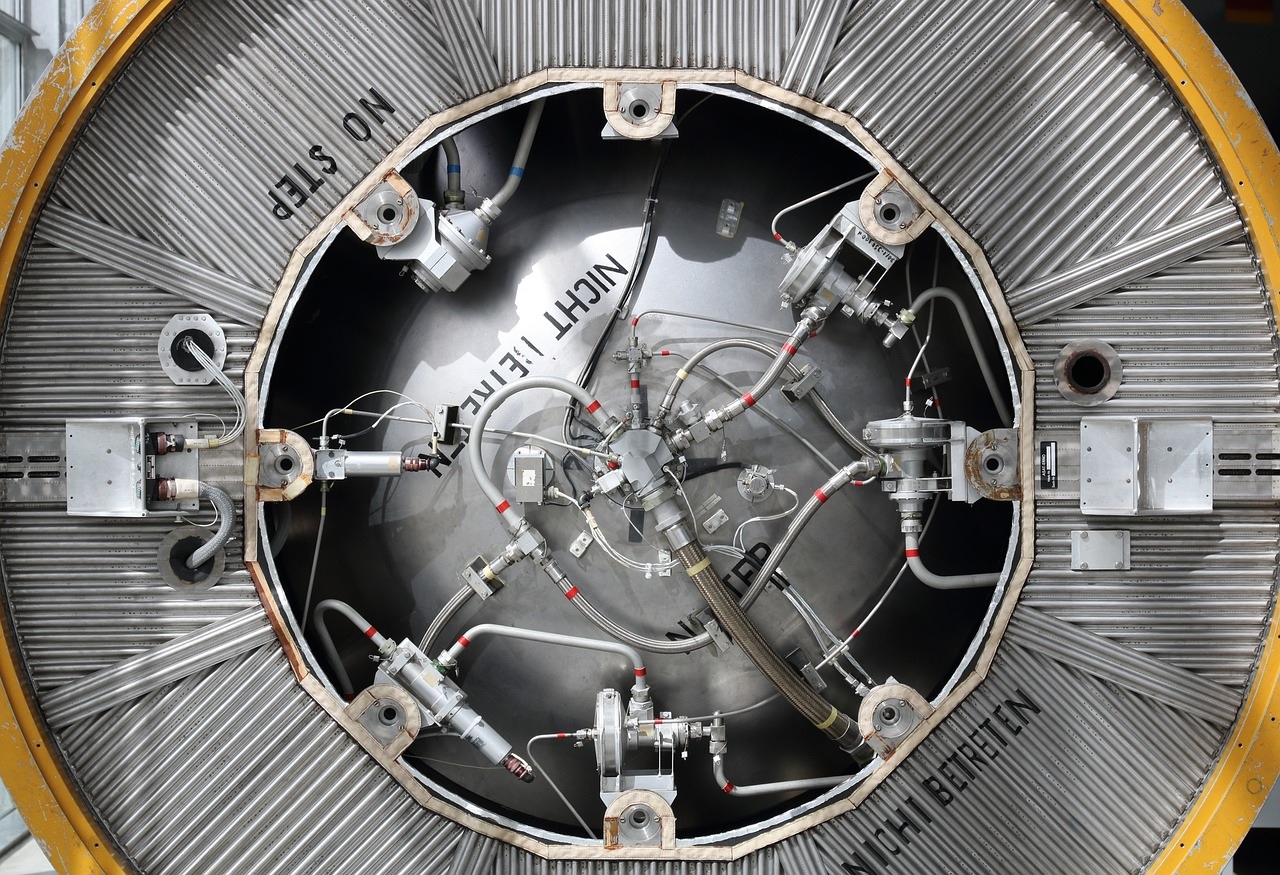
The instrumentation manifolds are essential components in industrial maintenance, especially in high-pressure systems. These devices allow measuring instruments such as pressure transmitters and gauges to be safely connected and disconnected, facilitating calibration and testing without interrupting operations. Their implementation improves safety, efficiency and accuracy in industries such as petrochemical, power generation and water treatment.
What is an Instrumentation Manifold?
An instrumentation manifold is a set of valves designed to manage the connection of measuring instruments in pressure systems, allowing their isolation and drainage without affecting the operating process. Generally manufactured in stainless steel, these manifolds are prepared to withstand extreme conditions of pressure and temperature, guaranteeing a safe and durable operation.
Benefits of Instrumentation Manifolds in Industrial Maintenance
- Efficient insulation and drainage: They allow instruments to be isolated from the main system and to drain the accumulated pressure, facilitating maintenance without stopping production and reducing the risk of accidents.
- Minimisation of downtime: By enabling calibration and testing without interrupting the entire process, the operational availability of the system is optimised.
- Measurement accuracy: The ability to equalise and bleed pressure in the instruments ensures accurate and reliable readings, essential in high-precision industrial processes.
- Reduction of operating costs: By facilitating maintenance and reducing the need to stop the process, operating costs are reduced and equipment life is extended.
Types of Instrumentation Manifolds and Their Applications
- 2-valve manifolds: Consisting of a block valve and a drain valve, ideal for simple pressure monitoring applications such as pressure gauges.
- 3-valve manifolds: They include two blocking valves and an equalisation valve, mainly used with differential pressure transmitters to equalise the pressure on both sides before calibration.
- 5-valve manifolds: They add two bleed valves to the three-valve configuration, providing a complete solution for systems requiring frequent calibration and maintenance.
Industrial Applications of Instrument Manifolds
- Petrochemical industry: They facilitate maintenance and calibration in refinery systems and oil extraction platforms, where constant pressure monitoring is crucial to avoid accidents and ensure process efficiency.
- Power generation: In power plants, pressure control is essential for the safe operation of turbines and boiler systems. The 3-valve and 5-valve manifolds allow calibration tasks to be carried out without interruption, optimising system availability.
- Water treatment: Pressure monitoring systems in water treatment plants require accurate and reliable solutions to maintain water quality. Instrumentation manifolds offer an efficient way to maintain measurement equipment, ensuring that the system operates within safe and regulated parameters.
Selecting the Right Instrumentation Manifold
When choosing an instrumentation manifold, it is critical to consider the specific needs of the system, the operating pressure and the type of fluid in the process. Stainless steel manifolds are preferred in high corrosion applications, while 3-valve and 5-valve configurations are ideal for systems requiring consistent metering accuracy. Proper selection significantly improves safety, efficiency and overall system performance.
In a nutshell
The implementation of instrumentation manifolds in high-pressure industrial systems is an effective strategy to optimise maintenance, increase safety and improve measurement accuracy. These devices not only facilitate calibration tasks and reduce downtime, but also contribute to the operational sustainability of the plant.




 English (UK)
  Español
  Español de Chile
  Español de México
  Español de Argentina
  Español de Colombia
  Español de Costa Rica
  Español de Ecuador
  Español de Perú
  Español de República Dominicana
  Español de Uruguay